A LiPo (lithium polymer) pack is the lightest way to deliver a lot of current, which is why drones and RC models use them. Four numbers on the label tell you almost everything: cell count (S), capacity (mAh), C rating and connector.
Cell count (S) sets the voltage
Each LiPo cell is 3.7 V nominal, 4.2 V full and should not go below about 3.0–3.3 V under load. Cells in series multiply the voltage:
| Pack | Nominal | Full |
|---|---|---|
| 1S | 3.7 V | 4.2 V |
| 2S | 7.4 V | 8.4 V |
| 3S | 11.1 V | 12.6 V |
| 4S | 14.8 V | 16.8 V |
| 6S | 22.2 V | 25.2 V |
Use the cell count your motors, ESCs and electronics are rated for. A motor on more cells spins faster and draws more current, and an ESC on too many cells fails. LiHV packs charge to 4.35 V per cell and need a charger with an LiHV mode.
Capacity (mAh) sets the run time
A 2200 mAh pack gives 2.2 A for one hour, or 22 A for about six minutes. Plan to use about 80% of it: going lower shortens the pack's life. More capacity means more weight, so a bigger pack doesn't always mean longer flights. Try the battery life calculator.
C rating sets the current
Maximum continuous current = capacity in Ah × C rating. A 2200 mAh 25C pack is rated for 2.2 × 25 = 55 A. Printed C ratings tend to be optimistic, so choose a pack rated for about 1.5–2× your real peak current. A pack that is working too hard sags in voltage, gets hot and swells.
Connectors
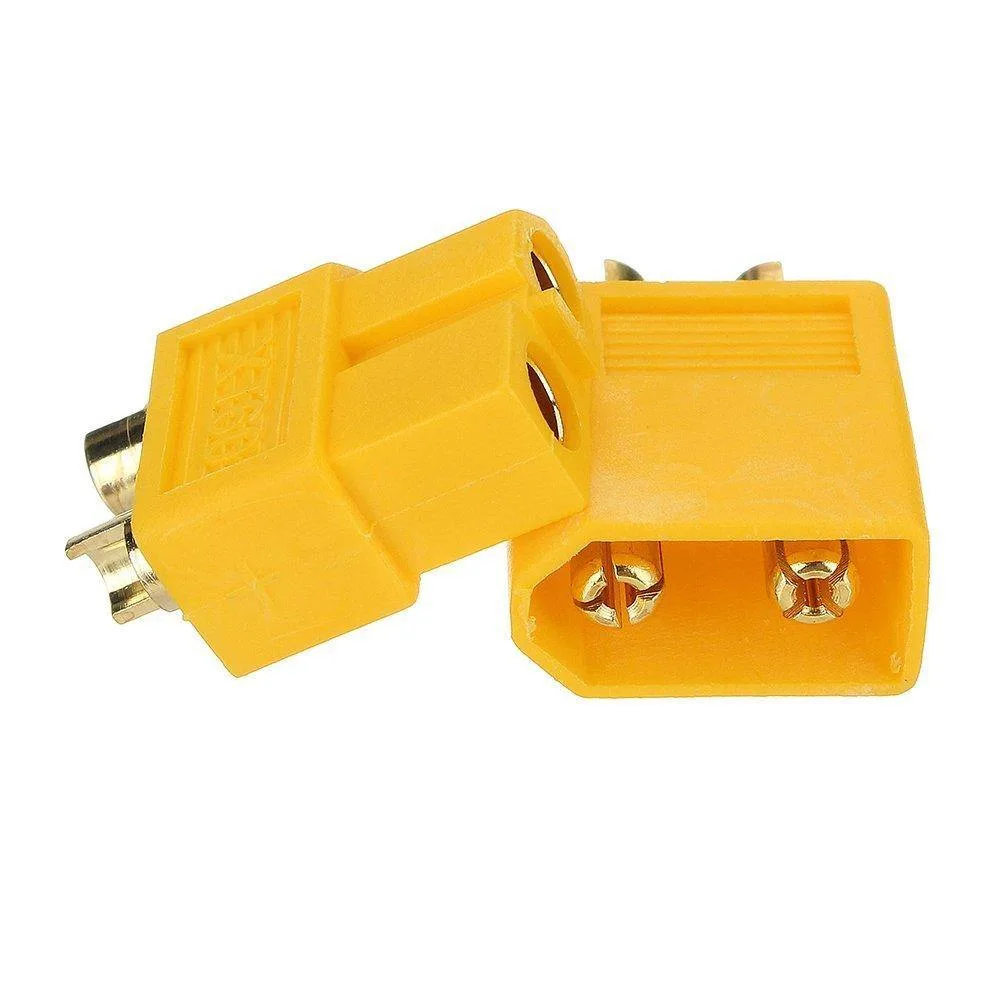
- Power lead: XT30 for small drones (up to about 30 A), XT60 for most 3S–6S packs (about 60 A), XT90 for large packs. Match the connector on your model so you don't need adapters.
- Balance lead: the small JST-XH plug with one wire per cell, plus one. The charger uses it to keep every cell at the same voltage.
- Use thick enough wire for the current: the wire gauge calculator helps.
Charging safely
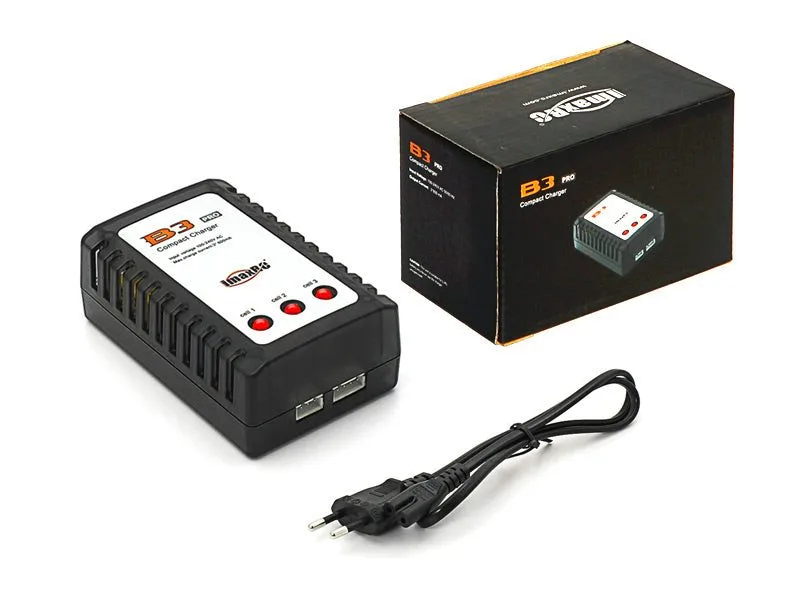
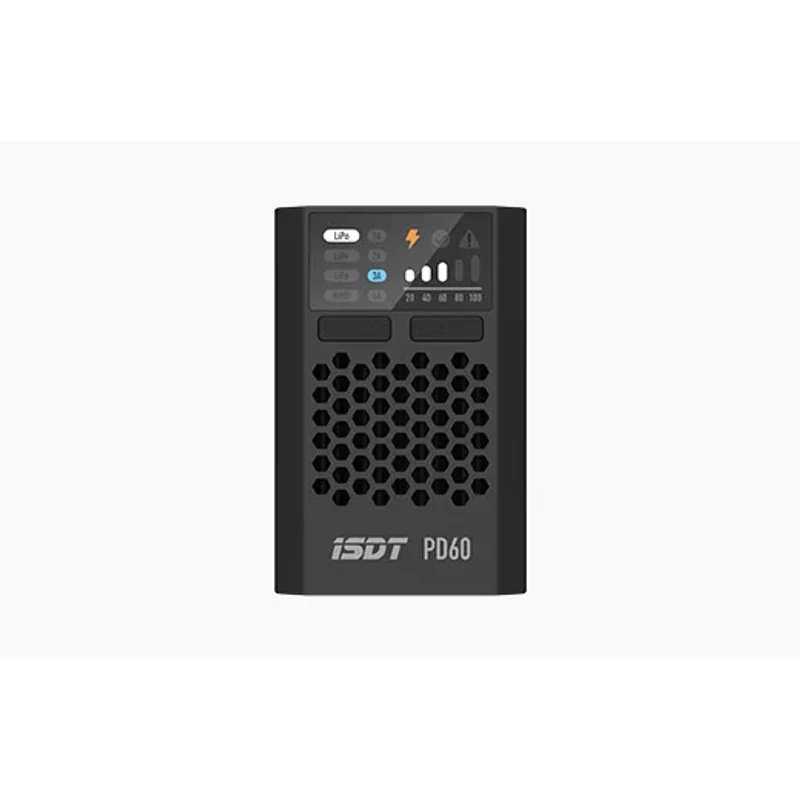
- Always use a balance charger with the balance lead plugged in, set to the right chemistry and cell count.
- Charge at 1C (2.2 A for a 2200 mAh pack) unless the pack says it can take more.
- Never leave a charging pack alone. Charge in a LiPo-safe bag or on a non-flammable surface.
- Let a hot pack cool before charging it.
Storing and checking
- Store at about 3.8 V per cell (most chargers have a "storage" mode) if you won't use the pack for more than a few days. Never store full.
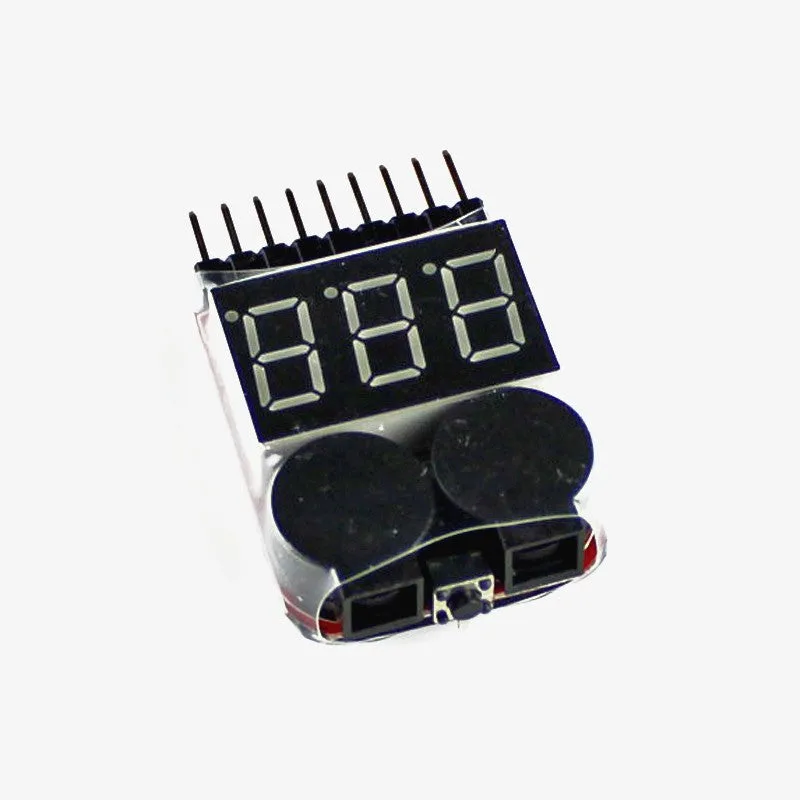
- A voltage checker with an alarm tells you each cell's voltage at a glance and can warn you during a flight.
- A puffed (swollen) pack is finished. Stop using it, discharge it fully in a safe place and take it to an e-waste or battery collection point. Never put LiPos in household rubbish.
LiPo or Li-ion?
For long run times at moderate current (robots, long-range planes, portable gadgets), Li-ion packs built from 18650 or 21700 cells store more energy for their weight and last more cycles. LiPo wins when you need high current in bursts: racing drones, fast RC cars, heavy-lift multirotors.