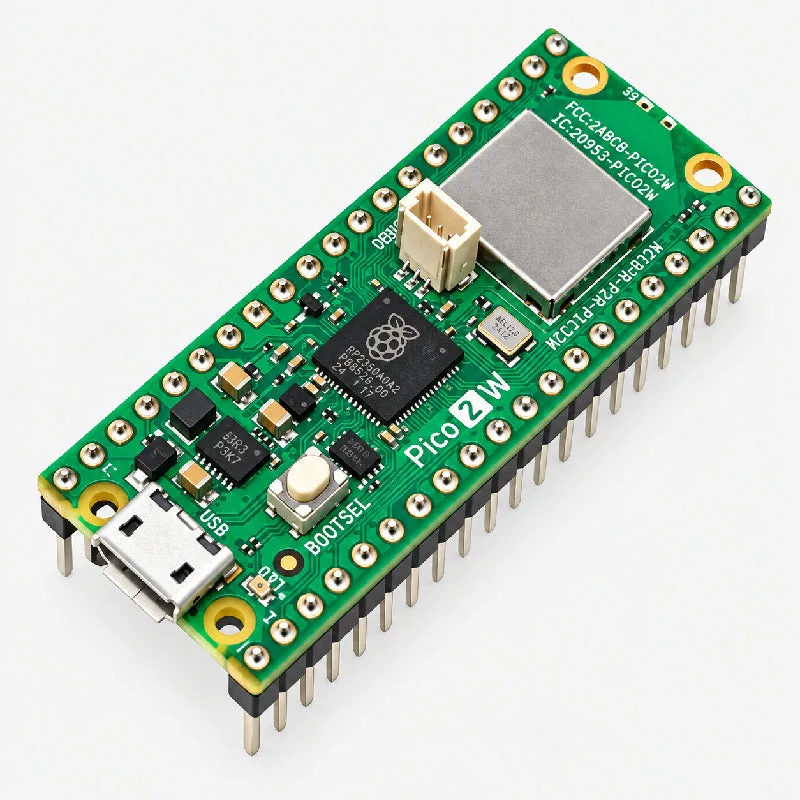
Raspberry Pi makes two very different things: single-board computers (Pi 5, Pi 4, Zero 2 W) that run Linux, and the Pico microcontroller boards, which run one program like an Arduino.
The short answer
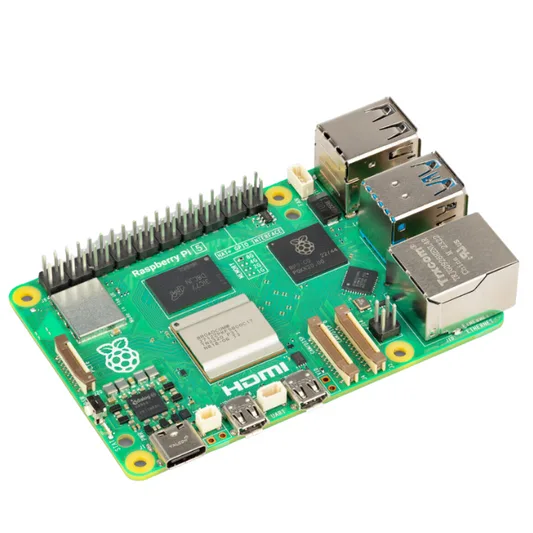
- Desktop, robot brain, camera or AI project: Raspberry Pi 5. By far the fastest, with PCIe for an NVMe SSD or AI accelerator.
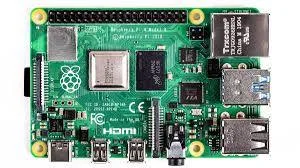
- Following an older tutorial or reusing Pi 4 cases and HATs: Pi 4.
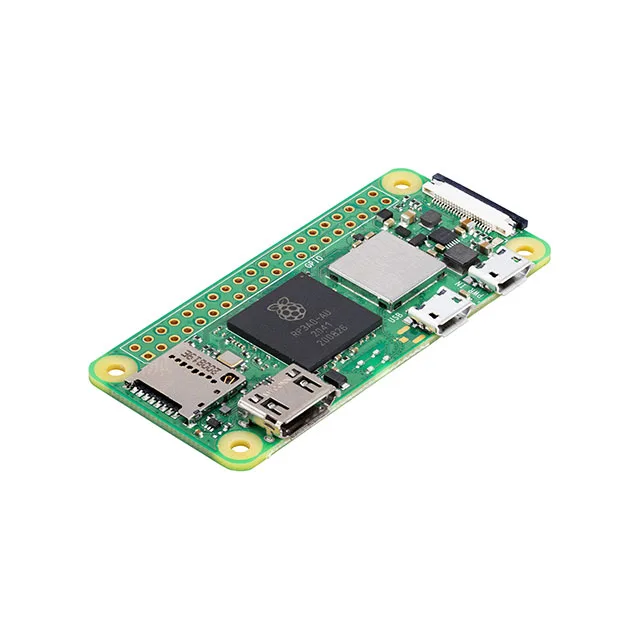
- Small, low-power, headless: Pi Zero 2 W. Ideal inside a gadget, camera or sensor box.
- Reading sensors and driving motors without Linux: Pico 2 W. Cheap, starts instantly, programmed in MicroPython or C/C++.
The boards compared
| Pi 5 | Pi 4 | Zero 2 W | Pico 2 W | |
|---|---|---|---|---|
| Type | Computer | Computer | Computer | Microcontroller |
| CPU | 4 × Cortex-A76, 2.4 GHz | 4 × Cortex-A72, 1.8 GHz | 4 × Cortex-A53, 1 GHz | RP2350, 2 cores, 150 MHz |
| RAM | up to 16 GB | 1–8 GB | 512 MB | 520 KB |
| Wireless | Wi-Fi 5, Bluetooth 5 | Wi-Fi 5, Bluetooth 5 | Wi-Fi 4, Bluetooth 4.2 | Wi-Fi 4, Bluetooth 5.2 |
| Power | 5 V 5 A USB-C (27 W) | 5 V 3 A USB-C | 5 V 2.5 A micro-USB | 5 V micro-USB, a few hundred mA at most |
How much RAM?
- 2–4 GB: headless servers, robots running ROS 2 without a desktop, home automation, retro gaming.
- 8 GB: a Linux desktop with a browser, computer vision with OpenCV, several Docker containers.
- 16 GB: larger AI models and heavy multitasking.
What else you need
Power supply. Use the official supply for your model. On a Pi 5, a 3 A supply boots but limits USB devices to 600 mA in total; the 27 W supply removes that limit. Under-powered Pis crash or corrupt their SD card.
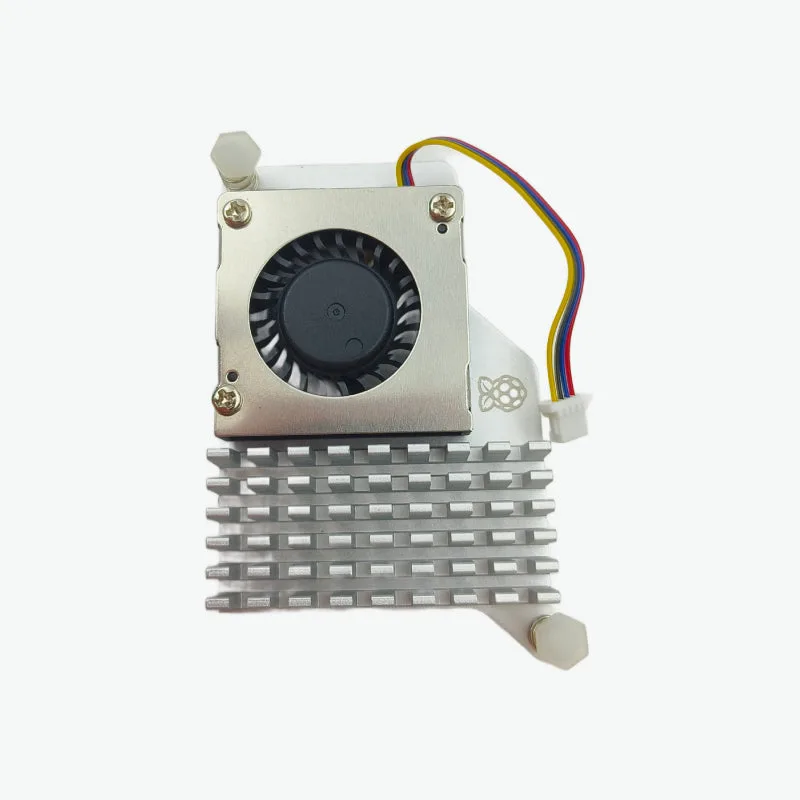
Cooling. The Pi 5 slows down under load without cooling. The official Active Cooler or a case with a fan keeps it at full speed.
Storage. A good-quality microSD card of 32 GB or more (A2 rated), or on a Pi 5, an NVMe SSD through an M.2 HAT for much faster and more reliable storage.
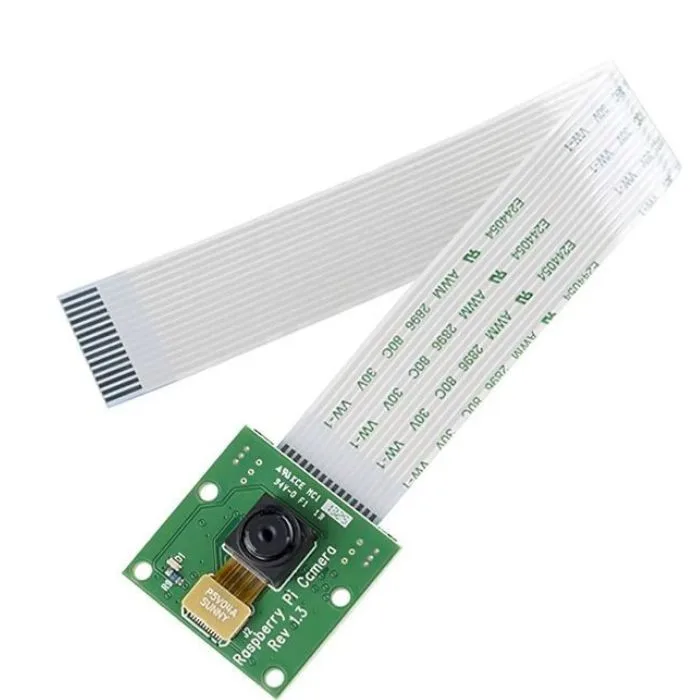
Camera. The Pi 5's camera and display connectors are the smaller 22-pin type. Pi cameras that come with the older 15-pin cable need a 22-to-15-pin cable.
Case. Pi 4 and Pi 5 cases are not interchangeable: the ports and mounting differ.
Pi or Pico?
A Pico costs a fraction of a Pi, uses far less power, and is better at precise timing (motor control, reading sensors, generating signals). Choose a Pi when you need Linux: cameras, screens, Python libraries, networking services or AI. Many projects pair a Pi with a Pico or Arduino that handles the motors.